TPO Roofing: Durable, Energy-Saving Solutions
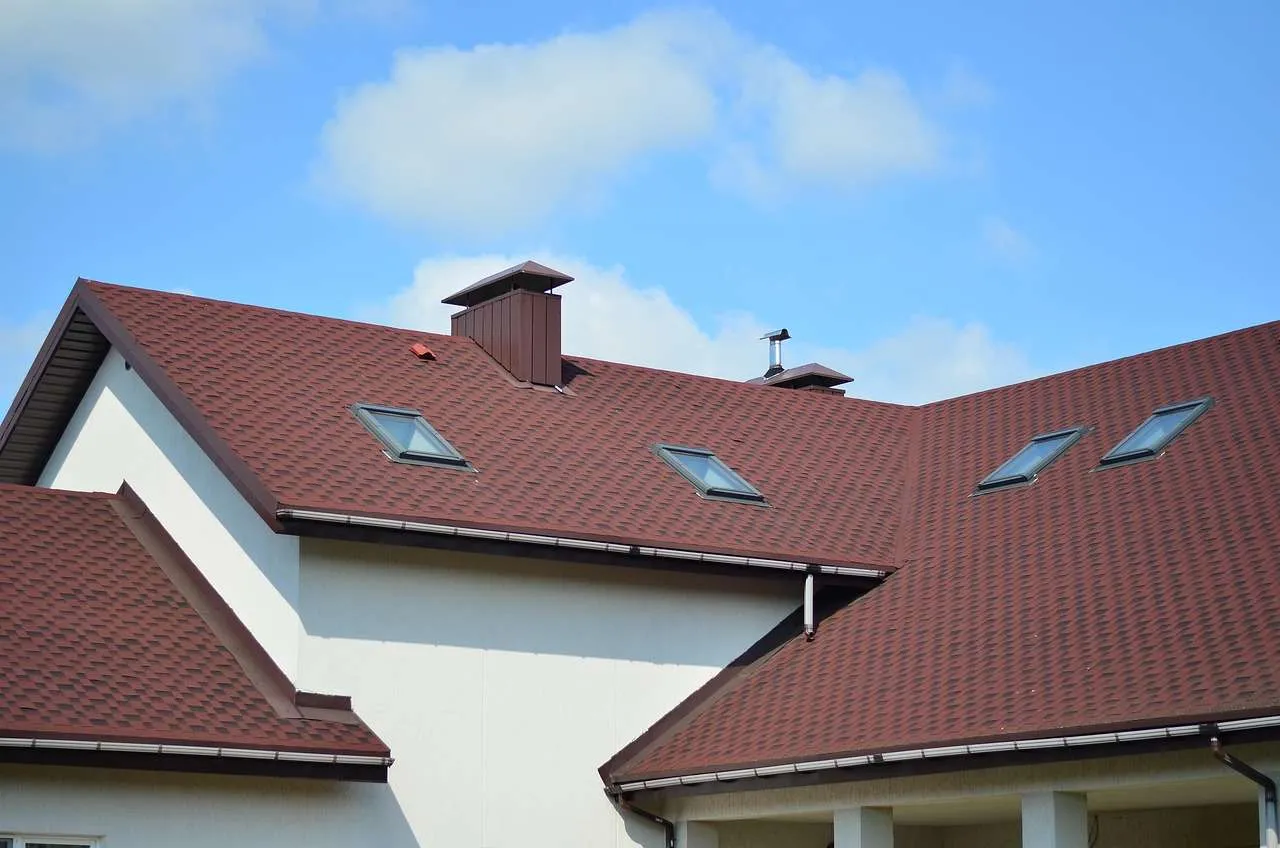
As energy costs rise and building owners seek durable, low maintenance solutions, tpo roofing emerges as a leading choice for flat and low-slope roofs. TPO stands for thermoplastic polyolefin, a single-ply membrane that is heat welded at seams to create a seamless, watertight system. Its bright, reflective surface helps reduce heat gain in warm climates, contributing to lower cooling costs and improved indoor comfort.
What is TPO Roofing?
TPO roofs are typically installed on commercial and residential flat or low-slope structures. The membranes are flexible, UV resistant, and designed to resist chemical exposure from rainfall, air pollutants, and foot traffic on the roof. Common thicknesses range from 45 to 60 mils, and installers can choose seamless heat welding or advanced adhesives depending on the substrate and climate. The result is a durable, energy efficient cover that can be fabricated on site to accommodate irregular roof shapes.
Benefits of TPO Roofing
- Energy efficiency through high reflectivity, reducing cooling loads in hot climates
- Durability and puncture resistance when properly installed
- Cost effective compared to some other single-ply options
- Flexibility to accommodate roof movement and varied substrates
- Ease of maintenance and repair with welded seams that maintain watertight integrity
Common Myths About TPO Roofing
- Myth: TPO is universally low quality. Reality: Quality varies by manufacturer and installer. Seek proven products with warranties and documented performance.
- Myth: TPO easily shrinks or warps. Reality: Properly installed TPO maintains stability when installed on the correct substrate and with proper seam welding.
- Myth: TPO cannot handle extreme weather. Reality: Modern TPO formulations are designed to perform in a wide range of temperatures and UV exposure.
Installation and Maintenance
Installing TPO requires professional training and adherence to manufacturer guidelines. Substrate preparation is critical: repairs to decks, drainage, and insulation must be completed before membrane installation. Seams are heat welded or chemically bonded depending on the product and climate, forming a continuous membrane. Mechanical fastening or ballasted systems may be used, with fasteners placed to resist wind uplift. After installation, routine maintenance includes removing debris, inspecting seams for signs of wear, and addressing punctures promptly to prevent leaks. Regular inspections, typically twice a year, help extend the life of the roof and protect interior spaces.
Cost, Longevity, and Return on Investment
Compared with other roofing options, TPO offers a favorable balance of upfront cost, thermal performance, and long-term energy savings. Typical installed costs range from roughly $4 to $9 per square foot, depending on thickness, warranty, labor rates, and roof complexity. A well designed and maintained TPO system can last 15 to 30 years, with some high quality products reaching even longer when cared for and inspected regularly. Energy savings from high reflectivity contribute to lower utility bills, offsetting a portion of the initial investment over time.
Comparison with Other Roofing Materials
| Roof Type | Membrane Type | Lifespan | Reflectivity (Energy) | Pros | Cons |
|---|---|---|---|---|---|
| TPO | Single-ply membrane | 15–30+ years | High | Low cost, good reflectivity, easy repair | Quality varies by supplier |
| EPDM | Ethylene Propylene Diene Monomer | 20–40 years | Medium | Excellent durability, low cost | Lower reflectivity, seam maintenance can be needed |
| PVC | Polyvinyl Chloride | 20–30 years | High | Excellent seam strength, chemical resistance | Higher cost, environmental concerns with chlorinated polymers |
| Asphalt Shingles | Fiberglass/Organic shingles | 15–30 years | Low to medium | Low upfront cost, wide availability | Not ideal for flat roofs, shorter lifespan for extreme climates |
Choosing a TPO Installer
To maximize EEAT and ensure a durable system, choose an installer with manufacturer certification, a solid local reputation, and clear warranty terms. Ask for project references, proof of licensing and insurance, and documentation of seam welding methods. A reputable contractor will provide a written warranty covering workmanship and material performance and will explain maintenance needs and inspection schedules. Consider asking the installer for a roof plan with heat welding details, seam layouts, and UV exposure considerations for your climate.
Conclusion
Summary: TPO roofing offers a compelling combination of energy efficiency, durability, and cost effectiveness for flat and low slope roofs. By understanding its benefits, maintenance needs, and how it compares with other materials, property owners can make an informed choice. Always prioritize qualified installers, verify warranties, and schedule regular inspections to protect your investment and maintain roof performance for years to come.