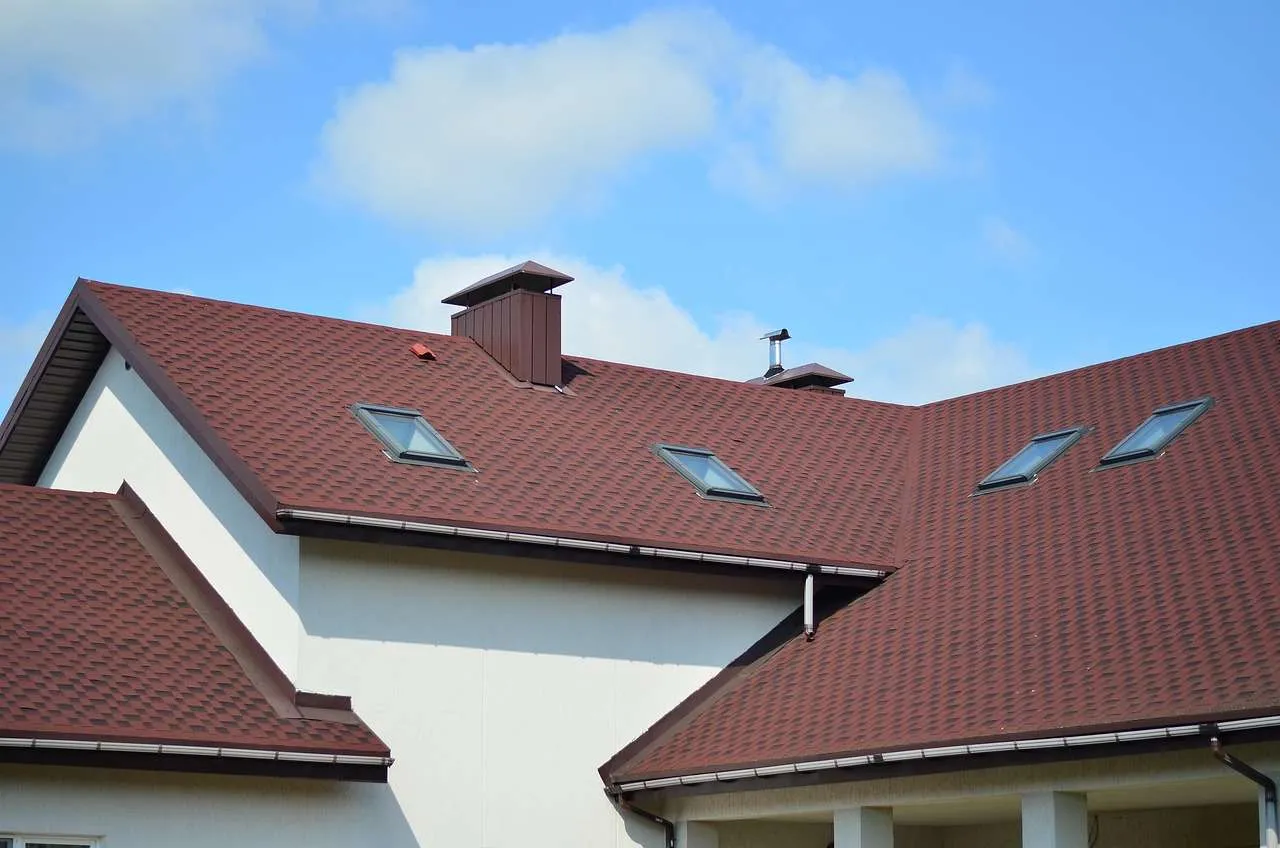
Repair of Roofing: Expert Guide to Fixes and Prevention

Repair of roofing is a critical home maintenance task that protects your interior from water damage, energy loss, and structural harm. This guide explains how to identify problems, choose the right repair approach, and maintain a roof for the long term, while keeping safety and reliability at the forefront to meet EEAT standards.
Understanding the Need for Repair of Roofing
Begin with a candid assessment of damage. Visual checks from the ground can reveal obvious issues, while a safe inspection from the roof can identify hidden problems. Look for missing or cracked shingles, curling edges, granule loss in gutters, and signs of wear around vents and flashing.
Key signs to watch for
- Missing, cracked, or curling shingles indicating weather damage
- Visible granule loss in gutters or downspouts
- Deteriorated flashing around chimneys, vents, or valleys
- Water stains on ceilings or walls after rain
- Sagging in sections of the roof deck or noticeable deflection
Common Roofing Issues and Repair Methods
Missing or damaged shingles
Repair typically involves replacing damaged shingles and resealing the edges. In some cases, a sealed repair with roof cement is used for minor gaps, but this is temporary and not a substitute for full shingle replacement.
Leaks and water intrusion
Leak repair targets the source: cracked flashing, damaged roof vent boots, or compromised underlayment. Identify the leak path and replace affected materials, re-nail shingles where necessary, and reseal joints with compatible sealants.
Flashing and valley repairs
Flashing and valleys are common failure points. Replacing or resealing metal flashing, ensuring proper sun exposure and slope, and re-fastening to the roof deck can stop water intrusion at these critical junctions.
Vent boots and plumbing stacks
Boots around vents and plumbing pipes should be solid and watertight. Replace cracked or misshapen boots and reseal around penetrations with the correct sealant and mesh backing as needed.
Repair Techniques: DIY vs. Professional Help
Basic maintenance and simple repairs can be tackled by a confident DIY homeowner with proper safety gear. For steep pitches, structural concerns, persistent leaks, or systems with multiple issues, hire a licensed roofer. Professionals bring safety training, specialized tools, and project supervision to ensure long-lasting results and warranty compliance.
Step-by-Step: How Roofing Pros Repair a Roof
- Assess the scope of damage, identify root causes, and determine if repair or replacement is necessary.
- Choose appropriate materials compatible with existing roofing (shingle type, underlayment, flashing).
- Prepare the area: protect landscaping, remove debris, and set up fall protection if on a roof.
- Remove damaged materials carefully without creating additional damage to surrounding areas.
- Install new or repaired components, reseal joints, and re-nail as required to achieve a solid, weather-tight seal.
- Inspect the work from above and below, check for winds and proper water shedding, and perform final cleanup.
Costs, Timing, and Budgeting for Repair of Roofing
Costs vary by roof type, extent of damage, and local labor rates. Typical repair costs per square foot range from modest fixes for minor damage to more significant repairs that approach the cost of a partial replacement. Consider these factors when budgeting:
| Factor | Typical Impact | Notes |
|---|---|---|
| Extent of damage | Low to high | More damage = higher cost |
| Shingle type | Lower to higher | Architectural shingles cost more |
| Access and height | Moderate to high | Steep roofs increase labor time |
| Underlayment and flashing | Medium | Quality materials improve longevity |
| Presence of moisture/rot | High | May require deck repair |
Repair vs. Replacement: A Quick Comparison
| Aspect | Repair | Replacement |
|---|---|---|
| Lifespan after work | 5–15 years depending on material and issue | 15–50+ years with modern materials |
| Cost | Lower upfront, variable long-term | Higher upfront but often lower long-term risk |
| Disruption | Less disruption, shorter project | More disruption and preparation |
| Ideal for | Localized damage, minor leaks | Extensive damage, aging roof |
Preventive Maintenance to Extend Roof Life
Seasonal inspections help catch issues early. After winter storms or heavy rain, check for missing granules, lifted shingles, or damaged flashing. Clean gutters regularly to prevent water backup and ice damming. Seal minor leaks promptly to prevent larger problems.
Choosing a Roofing Contractor: EEAT in Action
For trust and quality, verify licensing, insurance, and warranties. Request references and see examples of completed repairs. Ask about the insurer's coverage, safety programs, and whether the contractor guarantees workmanship. A transparent proposal with itemized costs, scope, and timeline helps you compare options fairly. An experienced roofer will assess material compatibility, local building codes, and weather conditions that affect repair quality.
Conclusion
Summary: Repairing roofing requires accurate assessment, appropriate techniques, and ongoing maintenance. Prioritize safety, use licensed professionals for complex work, and choose materials with proven warranties. With careful planning and timely intervention, you can protect your home and preserve roof life for years to come.