Metal Roofing Panels: Durable, Efficient Solutions
Metal roofing panels have become a leading choice for homes and commercial buildings due to their durability, energy efficiency, and modern aesthetics. This guide explains what metal roofing panels are, the main types, materials, finishes, cost considerations, and how to choose the right system for your project while upholding high standards of quality and trust.
What are metal roofing panels?
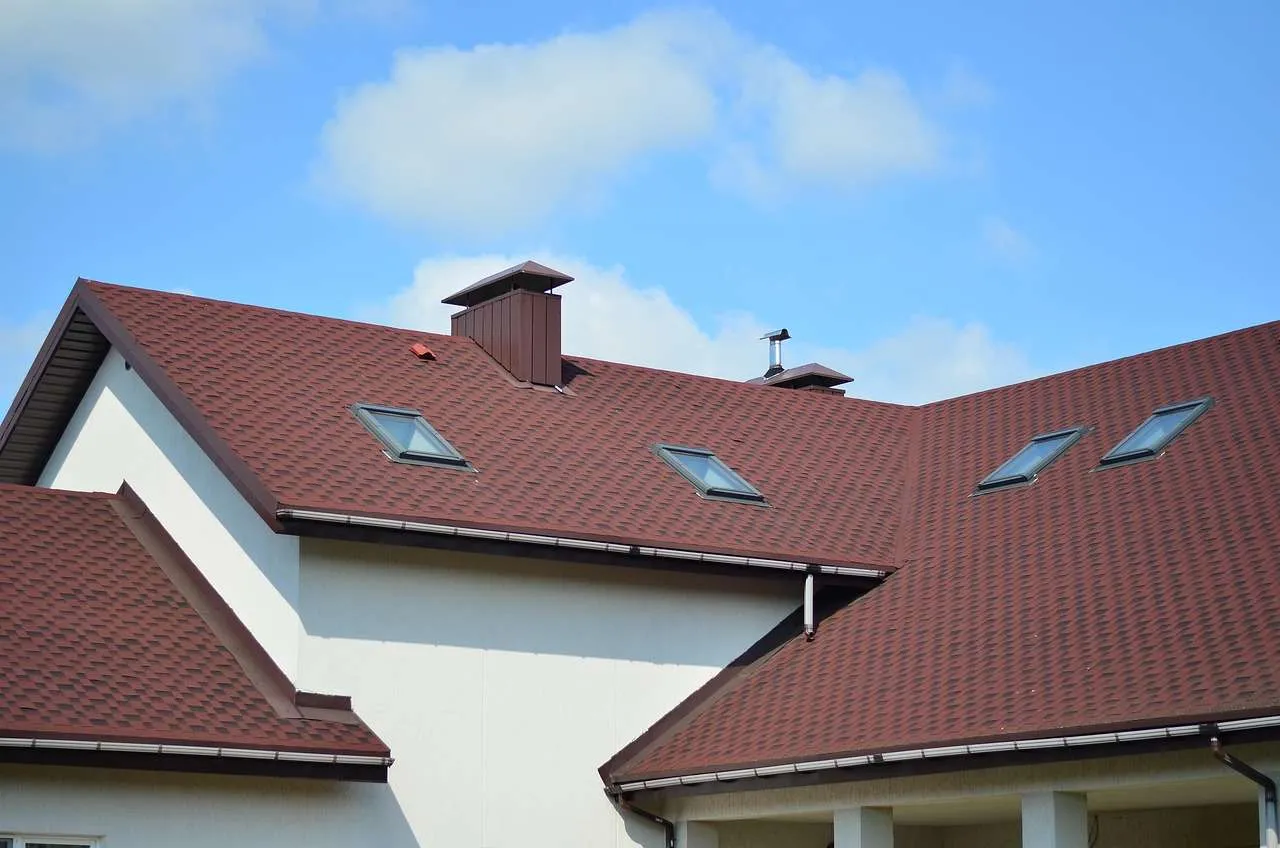
Metal roofing panels are metal sheets formed into flat or curved panels that interlock or are fastened to a roof deck. They come in profiles such as standing seam, through-fastened panels, and corrugated styles. Common materials include galvanized steel, galvalume-coated steel, aluminum, and copper. Proper installation and a quality coating protect against corrosion, weathering, and UV exposure, extending roof life well beyond traditional asphalt shingles.
Types of metal roofing panels
Standing seam
Standing seam panels feature vertical legs with interlocking snaps along the seams, providing a clean look and excellent water shedding. They are often installed with concealed fasteners, which reduces potential leak paths and can improve wind resistance in harsh climates. The profile also allows for thermal expansion and contraction, helping to prevent buckling over time.
Through-fastened panels
Through-fastened or exposed-fastener panels use screws or rivets along the ridges, making installation straightforward and cost-effective. They deliver strong performance for barns and low-slope roofs but may require more maintenance to prevent fastener sealing issues over time. When selected with quality gasket seals and proper sealant, these panels can still offer long service life in moderate environments.
Corrugated and ribbed panels
Corrugated and ribbed metal panels offer a classic, industrial aesthetic and are well-suited for rural or utility buildings. They are typically lightweight, easy to install, and versatile for a wide range of roof pitches. Modern coatings and aluminum variants further extend their life, while color coatings help maintain curb appeal in high-visibility projects.
Materials and durability
Material choice affects durability, weight, and cost. Galvanized steel is economical but can corrode in salty or industrial environments. Galvalume-coated steel offers better corrosion resistance and longer life, especially in coastal areas. Aluminum is lighter and resists corrosion without coatings but can be more expensive and prone to denting in some situations. Copper provides a distinct look and exceptional longevity but comes at a premium and may require professional preservation for patina control. Coatings such as PVDF finishes (often marketed as KYNAR 500) offer color stability and UV protection, helping panels retain their appearance for decades. For energy efficiency, reflective or cool-roof coatings can reduce cooling loads in hot climates, and some reflectivity ratings are recognized by building codes and energy programs.
Finish, energy efficiency and maintenance
Finishes influence curb appeal and performance. Light-reflective colors can lower indoor temperatures and reduce heat island effects, while darker finishes may emphasize style but absorb more heat. Regular inspections, cleaning of debris, and prompt repair of damaged panels extend life. Unlike asphalt, metal panels typically require minimal ongoing maintenance, though fastener checks and seal inspections are prudent after severe weather. A proper coating warranty and matching sealants ensure long-term leak protection and color retention, especially in harsh climates.
Installation considerations and warranty
Professional installation matters. Substrates must be clean and dry; ventilation and underlayment choices affect moisture protection. Fastener type and spacing should follow manufacturer guidelines and local codes. Standing seam systems often require specialized tools and skilled labor, while through-fastened panels can be installed more quickly by mid-level contractors. Warranties vary by material and coating, typically covering corrosion, fading, and panel integrity for 30 to 50 years with conditions on proper maintenance and installation. Always verify warranty terms, installer certifications, and whether the contract includes inspection and maintenance services.
Cost, value and return on investment
Initial costs for metal roofing panels are higher than asphalt but typically deliver longer service life, lower maintenance, and potential energy savings. A typical installed cost range can be higher per square foot, but a 30 to 50 year life with warranty can yield a favorable total cost of ownership, especially when factoring in tax credits, rebates, and insurance discounts in some regions. Durable coatings and proper installation enhance resale value and reduce the likelihood of costly repairs over time.
EEAT: Expertise, Authority, and Trust
As a roofing professional with over a decade of field experience and collaborations with material manufacturers, I base recommendations on tested products and observed performance. This guide references industry standards such as ASTM A653 and A792 for steel products, PVDF coating expectations, and recognized installation practices. When evaluating options, seek certifications, manufacturer references, and verify contractor credentials to ensure work meets local codes and warranty requirements. Transparent project plans, published product data, and independent third-party testing all contribute to a trustworthy project outcome.
Comparison of metal roofing panels
| Profile | Material | Advantages | Typical Lifespan |
|---|---|---|---|
| Standing seam | Steel, aluminum, or copper | concealed fasteners, weather-tight, modern look | 40-70 years |
| Through-fastened | Galvanized or steel | cost-effective, easy installation | 25-40 years |
| Corrugated | Steel or aluminum | lightweight, versatile, rustic aesthetic | 40-60 years |
| Tin/Patterned | Steel or aluminum with decorative finishes | unique look, good weather resistance | 35-50 years |
Conclusion
Conclusion, Metal roofing panels offer long-term value due to durability, low maintenance, and energy savings. When choosing a system, consider material type, profile, coating, color, warranty, and local climate. Work with a certified contractor to ensure proper installation, an accurate warranty, and adherence to building codes. Your choice of metal roofing panels should balance initial cost with long-term performance, aesthetics, and life-cycle value.