Home Window Tinting: Benefits & Tips
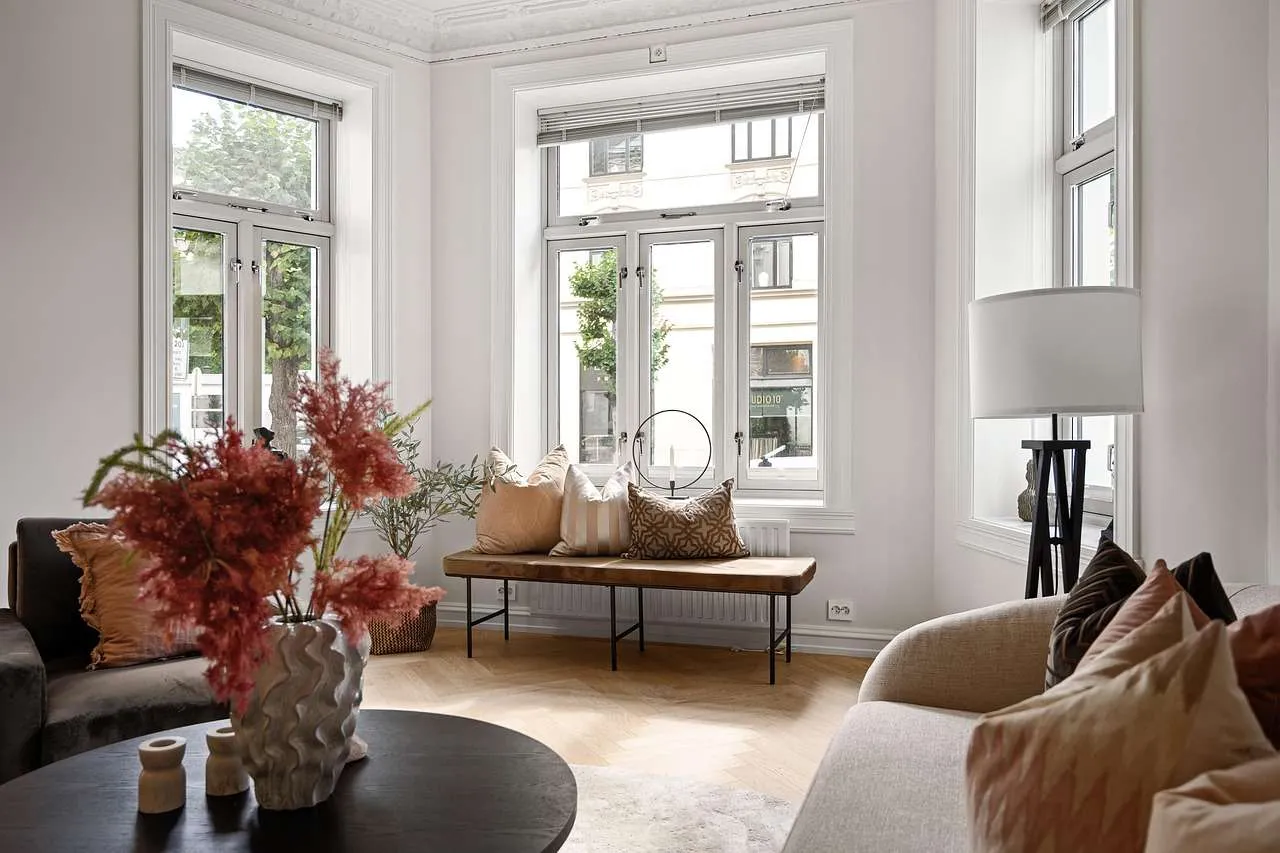
Home window tinting is a practical upgrade for residential windows that adds comfort, privacy, and energy efficiency. Modern tint films are thin layers applied to the interior surface of glass, reducing heat gain while preserving visibility.
What is home window tinting?
Window tinting involves applying a UV stable film to the inside of glass panes. The film can absorb or reflect infrared heat while allowing light to pass through. When installed correctly by a trained technician, tinting preserves your view and enhances comfort without noticeably darkening rooms. Professional installation also protects your warranty and ensures even coverage across edges and corners.
Benefits of home window tinting
- Energy savings: by reducing heat gain, tinting can lower cooling loads in hot months and help maintain a more consistent indoor temperature.
- UV protection: high-quality films block up to 99% of ultraviolet rays, protecting furniture, flooring, artwork, and skin from fading and sun damage.
- Privacy and glare reduction: tinted windows limit visibility from outside while preserving outdoor views during daylight.
- Safety and security: many films hold glass together when shattered, reducing the risk of injury from shattered shards.
- Interior protection: reduced fading and less heat stress on upholstery and electronics extend the life of interior assets.
Types of window tint films
Dyed films
Dyed films provide a cost-effective tint that enhances privacy and reduces glare. They absorb heat through dyes but can fade over time in strong sun and may show color change after years of exposure. Suitable for budget-conscious projects.
Metalized films
Metalized films incorporate metal particles to reflect heat. They offer strong heat rejection and durability but can interfere with some electronic signals and may create a reflective appearance from the outside, which some homeowners prefer to avoid.
Ceramic films
Ceramic films are non-metallic and non-conductive, delivering excellent heat rejection with superior clarity. They minimize glare and maintain signal quality for devices, making them a popular choice for modern homes, though they come at a higher upfront cost.
Carbon films
Carbon films provide strong heat rejection with a natural, non-reflective appearance. They offer good durability and fade resistance, delivering a balanced option for homeowners seeking performance without a metallic look.
How to choose the right tint
Choosing a tint involves considering climate, sun orientation, privacy needs, and budget. East and west facing windows usually benefit from lower Visible Light Transmission VLT levels to cut heat more effectively. Higher VLT values preserve more daylight but provide less privacy. Always verify local regulations, HOA rules, and neighborhood standards on reflectivity and allowable VLT ranges before selecting a film.
Costs, installation, and maintenance
Professional installation costs vary by film type, window size, and the number of panes. Ceramic and carbon films typically carry higher price tags but yield greater long-term energy savings and warranty coverage. DIY tint kits exist but can be risky if surfaces are not properly prepared or cured, potentially causing bubbles or peeling. Maintenance is simple: clean with non ammonia solutions and soft cloths to avoid scratches, and follow the installer’s care guidelines. Most reputable films come with warranties covering adhesion, color stability, and performance for 5 to 15 years.
Legal and safety considerations
Local laws and HOA guidelines may regulate minimum or maximum light transmission and reflectivity. It is essential to verify requirements with local authorities and obtain necessary approvals before installation. For safety, select a film with a robust adhesive system and consider thicker films for high-risk areas such as ground-level windows or doors.
Comparison of window tint types
| Film Type | Heat Rejection | UV Rejection | Visibility | Durability | Cost | Best For |
|---|---|---|---|---|---|---|
| Dyed | Moderate | High | Good | Moderate | Low | Privacy and budget-friendly projects |
| Metalized | Good | High | Potential reflectivity | High | Low-Mid | Strong heat reduction with metal particles |
| Ceramic | Excellent | Excellent | Excellent clarity | High | High | Performance-focused homes |
| Carbon | Excellent | Excellent | Natural look, low reflectivity | High | Mid-High | Balanced performance and aesthetics |
In summary, choosing the right film involves balancing heat rejection, UV protection, visibility, and cost. A reputable installer can help you test VLT options, simulate energy savings, and provide warranties that cover film adhesion and performance.
Conclusion, home window tinting offers energy savings, UV protection, privacy, and enhanced safety when installed by a qualified professional, with attention to local laws and warranties.