Bathroom Tiles: Expert Guide and Tips
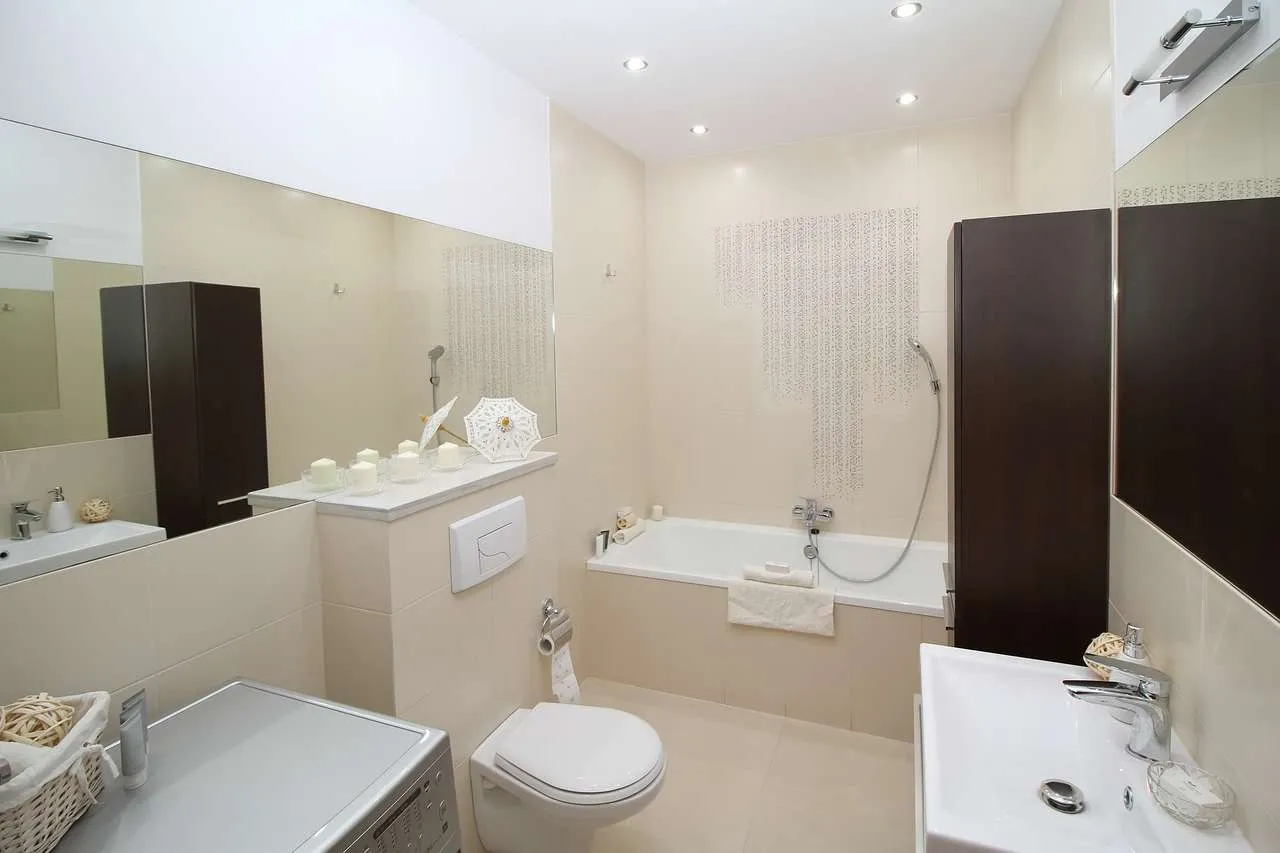
Choosing the right bathroom tiles is a foundational decision that influences style, durability, and ease of maintenance. This guide explains how to select and install bathroom tiles that perform well in wet environments while elevating your space.
Why bathroom tiles matter
Tiles protect walls and floors from water, mold, and stains while offering a wide range of aesthetics. The tile you choose should balance slip resistance, porosity, and cleaning requirements. In bathrooms, surfaces face humidity, temperature changes, and daily wear, so durability and maintenance become essential factors. By prioritizing quality materials and proper installation, you’ll reduce long-term repair costs and preserve your design vision.
Common tile materials
Ceramic and porcelain tiles
Ceramic tiles are affordable, versatile and come in many colors and textures. Porcelain tiles, a denser version, offer superior water resistance and lower porosity, making them ideal for floors and wet zones. When comparing, check the glaze, and water absorption rate. For bathrooms, porcelain often provides higher durability, while glazed ceramic can deliver vivid patterns with a lower initial price.
Natural stone tiles
Marble, travertine, and slate bring luxury and natural variation. They require sealing, regular maintenance, and more care to prevent etching and staining. Stone tiles are best for dry-to-mid moisture zones or shower niches with proper sealant and mild cleaners. Budget and upkeep should factor into decisions because stone can be costly over time.
Glass and specialty tiles
Glass tiles create light reflection and accent walls; metal or metallic glaze tiles add texture. These are often used as backsplashes or shower niches rather than full-floor coverage due to cleaning considerations and cost.
Tile sizes, patterns, and layout ideas
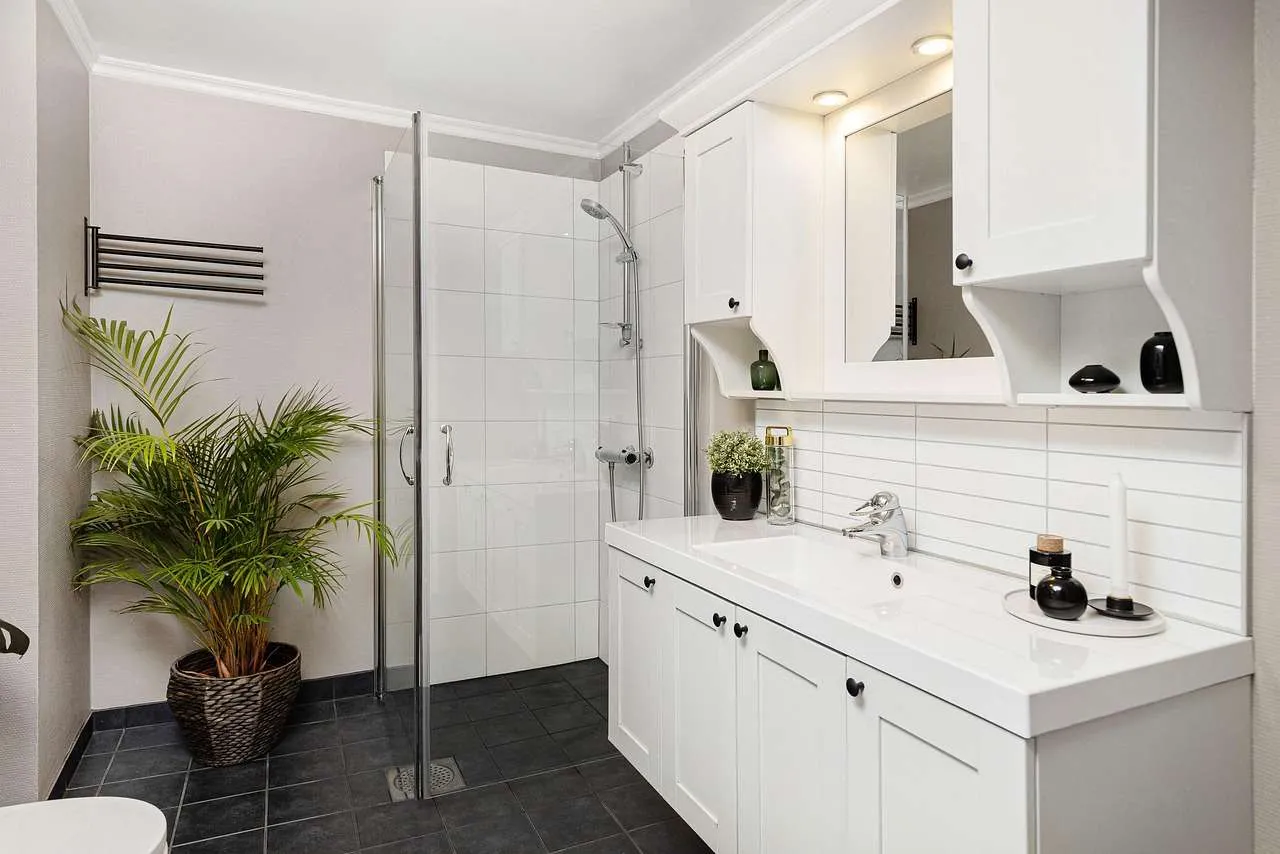
Large format tiles reduce grout lines and can make small bathrooms feel bigger. Small mosaics offer texture in showers or niches. Popular patterns include brick bonds, herringbone, and checkerboard. When choosing grout color, matching tiles visually hides lines or contrasts for a bold outline. For wet areas, select slip-resistant tiles and maintain even spacing to avoid pooling water in corners.
Practical considerations for installation
Waterproofing is critical. A proper moisture barrier, cement backer board, and quality thin-set are essential for longevity. Walls and floors may require different tile thickness and grout types. For complex showers or large surfaces, professional installation ensures proper waterproofing and alignment. Consider hiring a licensed contractor who can verify substrate, vapor management, and tile layout before work begins.
Maintenance and cleaning tips
Use pH-balanced cleaners designed for tiles and sealed grout. Avoid acidic or abrasive products that can wear glaze or erode grout. Seal natural stone and grout as recommended by the manufacturer, typically every 6 to 12 months. Regularly wipe down shower surfaces to prevent soap film and mineral deposits. Proper maintenance extends tile life and preserves color and finish.
Cost, planning, and budget mindset
Costs vary by material, size, and labor. Ceramic and porcelain tiles usually offer favorable cost-per-square-foot, while natural stone can require higher upfront investment and ongoing sealing. Factor in waterproofing, underlayment, and labor when budgeting. For many homeowners, planning overage for waste, patterns, and cuts is wise to avoid delays.
Comparison table: tile materials at a glance
| Material | Pros | Cons | Best For |
| Ceramic | Affordable, wide range of styles | Less dense, prone to chipping on floors | Walls, dry zones |
| Porcelain | Very durable, low porosity | Higher cost, can be harder to cut | Floors and showers |
| Natural stone | Luxury look, unique patterns | Sealing required, higher maintenance | Accent areas or shower walls |
| Glass | Reflects light, modern feel | Slippery on floors, brittle | Backsplashes, niches |
How to choose the right bathroom tiles: a quick checklist
- Assess moisture: consider porcelain or glazed ceramic for floors and wet walls.
- Evaluate maintenance: seal natural stone and grout; use sealed, stain-resistant options for easier care.
- Plan layout: larger tiles for a cleaner look; pattern and grout color to influence perceived space.
- Set a budget: balance upfront cost with long-term durability and cleaning needs.
- Hire professionals: for complicated showers or waterproofing, hire a licensed installer.
With the right selection, bathroom tiles can define style while delivering reliable performance for years.
Conclusion, by understanding material strengths, layout options, and maintenance, you can select bathroom tiles that deliver style and durability. This guide outlined materials, patterns, waterproofing, cleaning, and budgeting to help you plan an effective installation.